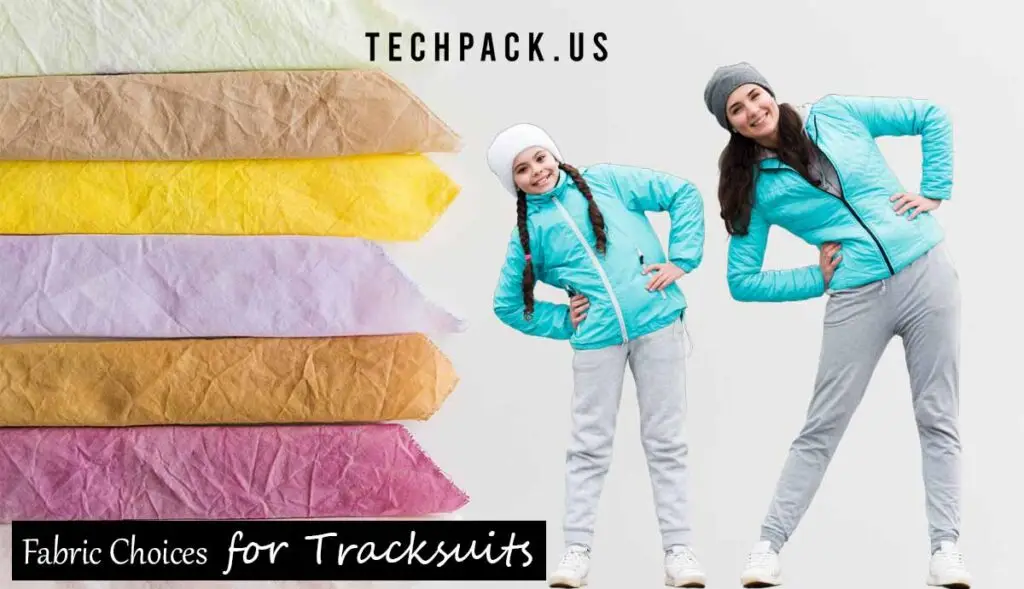
When it comes to designing and producing tracksuits, fabric choice is one of the most critical decisions a brand can make. Tracksuits aren’t fair around style—they require performance, comfort, durability, and versatility sufficient to suit both athletic and casual wear. The off-base fabric can make a tracksuit awkward, confine movement, or wear out rapidly, whereas the right fabric ensures functionality, comfort, and longevity.
At techpack.us, we specialize in helping fashion brands explore everything from texture choice to making proficient tech packs that streamline production. Whether you’re managing with MOQs (Minimum Order Quantities) or testing numerous tech packs to discover the right balance between fashion and work, texture is at the heart of your design process.
This comprehensive guide breaks down the best Fabric choices for tracksuits, their pros and cons, and how to adjust them with your brand’s vision.
Why Fabric Choice Matters in Tracksuits
Tracksuits serve multiple purposes—they are athletic wear, leisurewear, and progressively, streetwear fashion staples. Choosing the right fabric impacts:
- Comfort: Soft, breathable fabrics ensure all-day wear.
- Durability: High-quality fabrics withstand numerous washes and workouts.
- Performance: The right materials regulate temperature and wick away sweat.
- Aesthetics: Texture, drape, and wrap-up influence the garment’s final look.
- Cost and MOQs: Premium fabrics may come with higher fees or bigger minimums, which can influence your generation planning.
Top Fabric Choices for Tracksuits

When selecting fabric for tracksuits, creators must strike the right balance between comfort, strength, performance, and fashion. The right choice depends on whether your tracksuit is for sports, casual wear, athleisure, or extravagant design. Below are the most common—and most effective—Fabric Choices for Tracksuits, along with their benefits and drawbacks.
Cotton
Cotton remains a timeless favorite in the attire world. For tracksuits, it offers unmatched delicate quality and ordinary comfort, making it ideal for casual or lifestyle-focused plans. Cotton, moreover, absorbs colors well, allowing for dynamic color ranges.
Pros:
- Naturally breathable and skin-friendly.
- Soft and comfortable, perfect for relaxing or casual wear.
- Easy to color and customize for creative collections.
Cons:
- Poor dampness administration (does not wick sweat effectively).
- Shrinks if not pre-shrunk or treated properly.
- Less strong for high-performance sportswear.
Best Utilize: Cotton tracksuits are extraordinary for lifestyle brands focusing on clients who prioritize comfort over athletic execution.
Polyester
Polyester rules activewear manufacturing, and for good reason. It’s lightweight, however tough, holds its shape, and performs well under strenuous activities.
Pros:
- Strong, durable, and safe against wrinkles.
- Excellent moisture-wicking and quick-drying properties.
- Resistant to contracting, blurring, and stretching.
Cons:
- Less breathable than normal fibers.
- Tends to trap body odors without legitimate treatment.
Best Utilize: Perfect for athletic brands and performance-driven tracksuits outlined for running, preparing, or gym wear.
Cotton-Polyester Blends
Blended fabrics combine the best highlights of common and synthetic filaments. Cotton-poly mixes adjust comfort, breathability, and solidity, making them flexible for both athletic and casual markets.
Pros:
- Soft and breathable like cotton.
- Durable, wrinkle-resistant, and simple to keep up like polyester.
- Cost-effective for mass production.
Cons:
- Still less breathable than unadulterated cotton.
- It can hold odors if not treated.
Best Use: Ideal for brands catering to a wide audience that needs ordinary consolation with included durability.
Nylon
Nylon is a premium synthetic fabric well known in sportswear due to its smooth surface and amazing durability. It offers a smooth wrap-up while keeping up flexibility.
Pros:
- Exceptionally solid and long-lasting.
- Quick-drying and water-resistant.
- Flexible and permits freedom of movement.
Cons:
- Less breathable compared to normal fibers.
- Typically more costly than polyester.
Best Utilize: High-performance athletic tracksuits and extravagant activewear brands.
Fleece
Fleece, as a rule, made from polyester, is known for its warmth and cozy surface. It’s commonly utilized in cold-weather tracksuits or lining for extra insulation.
Pros:
- Provides great warmth without heavy weight.
- Soft and comfortable against the skin.
- Breathable, whereas advertising insulation.
Cons:
- Not perfect for warm climates (can cause overheating).
- Prone to pilling with rehashed washes.
Best Use: Winter tracksuits, athleisure collections, and layering pieces.
French Terry
French terry is a woven fabric with little circles on the interior and a smooth surface on the exterior. It’s lightweight, however retentive, making it a well-known choice for transitional tracksuits.
Pros:
- Soft, breathable, and moisture-absorbent.
- Suitable for year-round wear.
- Lightweight, however cozy, offering flexibility in design.
Cons:
- Less protection than fleece.
- It can lose shape over time with overwhelming wear.
Best Utilize: All-season casual tracksuits, loungewear, and athleisure brands.
Velour
Velour is a plush, sumptuous fabric that has a nostalgic, however fashion-forward offer. It’s regularly related to high-fashion or retro-style tracksuits.
Pros:
- Soft, extravagant, and in vogue texture.
- Eye-catching and unique in appearance.
- Durable when mixed with synthetic fibers.
Cons:
- Heavier than cotton or polyester.
- Not reasonable for execution or sweat-intensive activities.
Best Use: Streetwear and fashion-oriented tracksuits that emphasize extravagance and style.
Spandex/Elastane Blends
Spandex (also known as elastane or Lycra) is sometimes used alone but is regularly mixed with polyester, cotton, or nylon to improve elasticity and flexibility.
Pros:
- Adds versatility and opportunity for movement.
- Helps garments hold shape over time.
- Increases comfort amid high-performance activities.
Cons:
- Not breathable on its own.
- Can raise overall texture costs.
Best Utilize: Execution sportswear, yoga, gym-focused tracksuits, and slim-fit styles.
Wool and Merino Wool
While less common, fleece tracksuits—especially those made with merino wool—offer a premium feel and normal execution features.
Pros:
- Natural, breathable, and sustainable.
- Regulates temperature, keeping you warm, however, avoiding overheating.
- Naturally odor-resistant.
Cons:
- Higher production cost.
- Requires cautious upkeep (hand wash or dry clean)
Best Use: Luxury tracksuits or eco-conscious collections focusing on premium markets.
Fabric Weight and GSM in Tracksuits
Fabric isn’t fair approximately type—it’s too heavy. The GSM (grams per square meter) decides how overwhelming or light the texture feels:
- 200–250 GSM: Lightweight, breathable, suited for summer.
- 250–300 GSM: Midweight, flexible for year-round wear.
- 300+ GSM: Heavy, warm, perfect for winter tracksuits.
Choosing GSM is as imperative as selecting fabric since it impacts the final purpose of your tracksuit.
Sustainability in Fabric Choices
Today’s customers are more eco-conscious than ever. Brands that embrace feasible texture hone pick up, believe, and loyalty.
- Organic Cotton: Free from pesticides.
- Recycled Polyester: Made from reused plastic bottles.
- Bamboo and Hemp: Eco-friendly options with normal breathability.
Balancing maintainability with MOQs can be challenging, but numerous producers presently offer eco-friendly alternatives at competitive levels.
The Role of Tech Packs in Fabric Selection
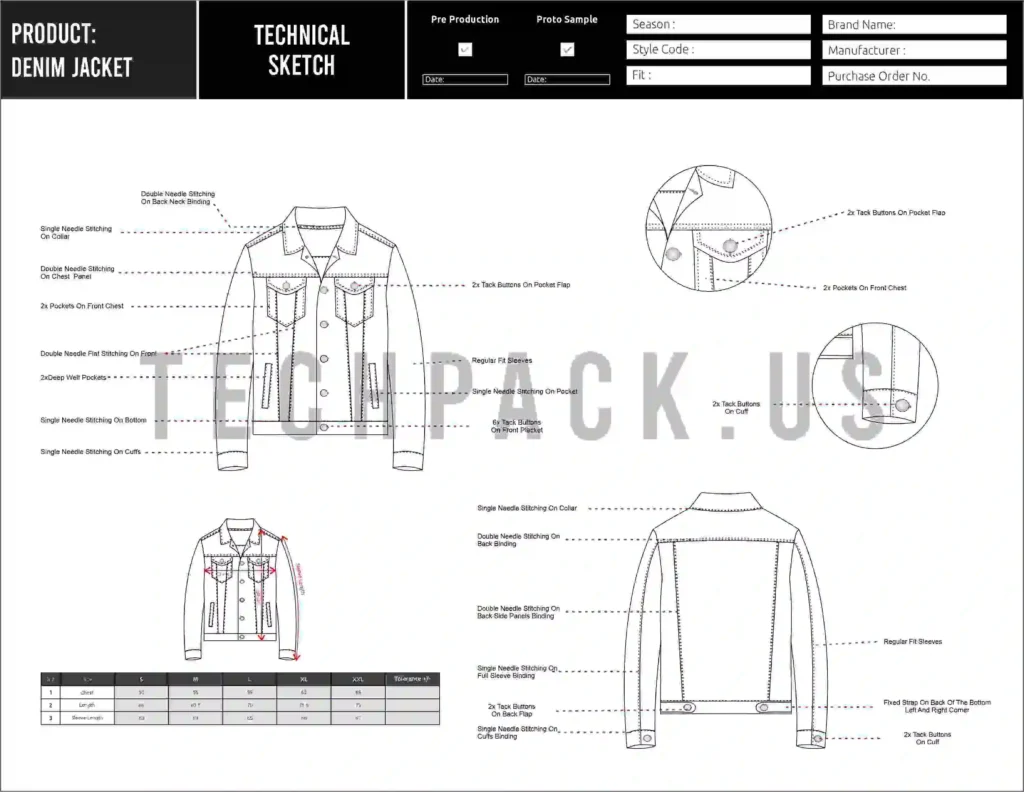
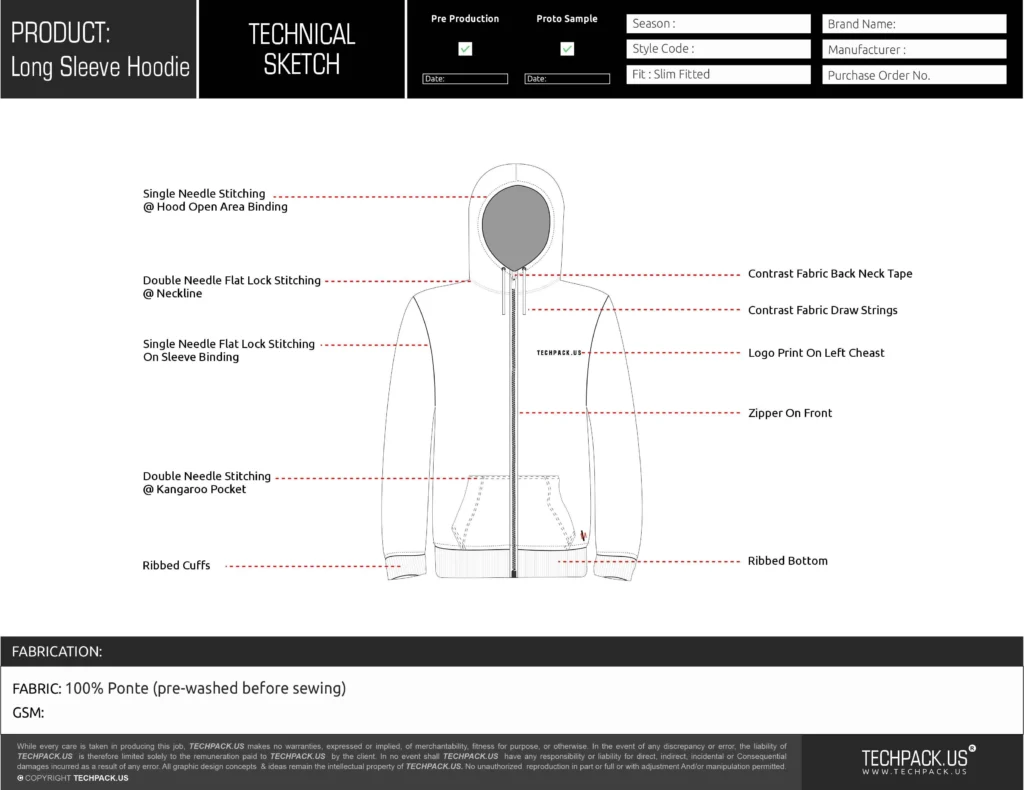
A tech pack is an outline for your garment, including texture determinations, trims, sewing, and measurements. When making a tracksuit, your tech pack ought to include:
- Fabric sort (e.g., polyester-cotton blend).
- GSM and weight.
- Stretch rate (if spandex is included).
- Color codes and finishes.
- Care instructions.
At techpack.us, we help brands construct detailed tech packs to dodge miscommunication with producers. The clearer your tech pack, the less demanding it is to oversee generation, negotiate MOQs, and keep up quality.
Balancing Fabric Choices with MOQs
Manufacturers regularly set Minimum Order Quantities (MOQs) based on texture sort and accessibility. Luxury textures, mixes, or economical choices may require higher MOQs due to constrained supply. To oversee this:
- Start Small: Select common fabrics (cotton, polyester) to keep MOQs manageable.
- Negotiate: Some producers permit smaller runs for startups.
- Plan Ahead: Calculate lead times when requesting forte fabrics.
Fabric choice and MOQs specifically impact your costs and adaptability.
Tracksuit Trends and Fabric Choices
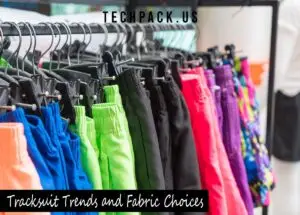
Fashion and execution patterns impact fabric decisions. Current prevalent bearings include:
- Athleisure: Cotton-poly mixes, French terry.
- Luxury Streetwear: Velour, wool blends.
- Sustainable Wear: Natural cotton, reused polyester.
- Performance Tracksuits: Nylon, polyester, spandex blends.
Understanding your target audience guarantees you select the fabric that matches their way of life.
Conclusion
Fabric choice defines the success of your tracksuit collection. Whether you’re planning high-performance athletic equipment, cozy loungewear, or luxury streetwear, your fabric choice impacts comfort, toughness, aesthetics, and brand identity. The right fabric not only upgrades functionality but also guarantees your brand reverberates with its target audience.
When it comes to manufacturing, having precise tech packs is as important as choosing fabrics. A well-prepared tech pack traces each detail of your garment—from fabric details and sewing procedures to measuring charts and trims—helping dodge costly botches during generation. Combined with the right information on MOQs (Minimum Order Quantities), brands can make smarter choices that adjust quality, pricing, and scalability.
For example, if you’re producing tracksuits for competitors, execution fabrics like polyester mixes or moisture-wicking fabrics might be the best choice. On the other hand, extravagant lifestyle tracksuits may call for cotton downy, French terry, or velour to convey comfort and premium aesthetics. Each texture comes with its own production suggestions, which can influence lead times, arrange amounts, and last costs.
At techpack.us, we help design brands streamline their generation journey—from fabric selection and tech pack development to provider coordination and last garment delivery. Our ability guarantees you get the ultimate adjustment between development and common sense, permitting you to construct a tracksuit line that stands out in a competitive market.
With sustainable homes gaining force, texture choices moreover play a part in your brand’s natural effect. Choices like natural cotton, reused polyester, or eco-blended sews can provide your tracksuit collection an edge with eco-conscious consumers, while still achieving your execution and fashion goals.
In short, successful tracksuit fabricating requires an all-encompassing approach—combining fabric information, nitty-gritty tech packs, and strategic MOQ management. Joining forces with specialists guarantees that each organization, from design to conveyance, is handled with accuracy.
FAQs About Fabric Choices for Tracksuits
- What is the best fabric for tracksuits?
The best fabric depends on your reason. Cotton-poly mixes are flexible, polyester is great for execution, and velour is perfect for extravagant fashion tracksuits.
- How important is GSM in Fabric Choices for Tracksuits?
GSM determines weight and warmth. Lower GSM is lightweight and breathable, whereas higher GSM is overwhelming and warm, appropriate for colder weather.
- Can I use sustainable fabrics for tracksuits?
Yes! Many brands utilize natural cotton, bamboo, or reused polyester for eco-friendly tracksuits. Fair check your manufacturer’s MOQs for these fabrics.
- Why do MOQs matter in fabric selection?
MOQs affect your generation, fetched, and texture choices. Forte fabrics usually require higher amounts of fabric.
- How does a tech pack help with fabric choices?
A tech pack communicates texture sort, GSM, and extend, and wraps up to producers, guaranteeing your tracksuits are made to your exact requirements.
- Which fabrics are best for winter tracksuits?
Fleece, fleece, and heavyweight cotton mixes are amazing for warmth and insulation.
- Which fabrics are perfect for summer tracksuits?
Lightweight cotton, French terry, and moisture-wicking polyester work well for warm climates.